
Description
Walnuts: Health Benefits, Features, and Uses
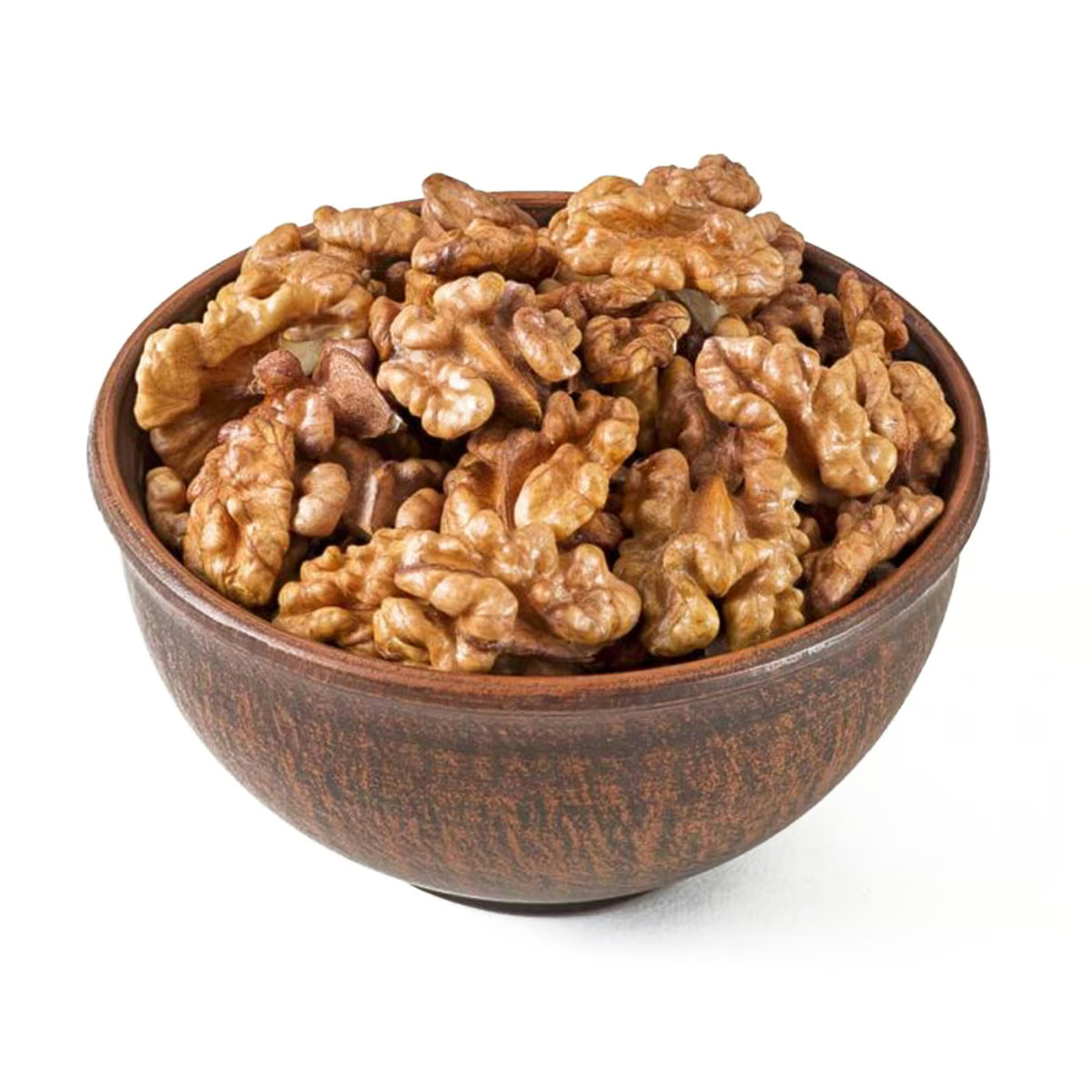
Walnuts are nutrient-rich nuts from the tree Juglans regia, often referred to as “brain food” due to their unique shape and cognitive benefits. They are a versatile superfood packed with healthy fats, antioxidants, vitamins, and minerals.
Features of Walnuts:
- Appearance: Brown, wrinkled shells encasing a soft, edible kernel shaped like a brain.
- Flavor: Mildly sweet and slightly bitter with a rich, nutty taste.
- Texture: Crunchy when raw and creamy when chewed.
- Types:
- English Walnuts: Larger and milder in flavor.
- Black Walnuts: Smaller, more robust, and earthy in taste.
Health Benefits of Walnuts:
- Rich in Omega-3 Fatty Acids:
- Contains alpha-linolenic acid (ALA), which supports heart health, reduces inflammation, and improves brain function.
- Boosts Brain Health:
- Packed with antioxidants and polyphenols that enhance memory, cognition, and protect against neurodegenerative diseases.
- Heart-Healthy:
- Lowers bad cholesterol (LDL) and increases good cholesterol (HDL).
- Helps maintain healthy blood pressure and reduces the risk of heart disease.
- Supports Weight Management:
- Provides satiety with protein, fiber, and healthy fats, helping control appetite and manage weight.
- Promotes Gut Health:
- Improves gut microbiota by acting as a prebiotic, fostering healthy digestion.
- Reduces Inflammation:
- Antioxidants like ellagic acid and anti-inflammatory compounds protect against chronic diseases such as arthritis and diabetes.
- Improves Bone Health:
- High in magnesium, phosphorus, and calcium, supporting strong bones and teeth.
- Supports Skin and Hair Health:
- Contains vitamin E and healthy fats that nourish the skin, reduce signs of aging, and promote lustrous hair.
- Regulates Blood Sugar:
- Helps maintain stable blood sugar levels, making it suitable for diabetics.
- Rich in Antioxidants:
- Walnuts are one of the top antioxidant-rich foods, combating oxidative stress and reducing cancer risks.
Nutritional Composition of Walnuts (per 100g):
| Nutrient | Amount |
|---|---|
| Calories | 654 kcal |
| Protein | 15.2 g |
| Fat | 65.2 g |
| – Saturated Fat | 6.1 g |
| Carbohydrates | 13.7 g |
| – Dietary Fiber | 6.7 g |
| – Sugars | 2.6 g |
| Calcium | 98 mg (10% DV) |
| Iron | 2.9 mg (16% DV) |
| Magnesium | 158 mg (40% DV) |
| Potassium | 441 mg (13% DV) |
| Omega-3 (ALA) | 9.1 g |
| Vitamin E | 0.7 mg (4% DV) |
| Vitamin B6 | 0.5 mg (28% DV) |
How to Use Walnuts:
- As a Snack:
- Eat raw, roasted, or lightly salted for a nutritious on-the-go snack.
- In Baking and Cooking:
- Add to cakes, cookies, and bread for a crunchy texture.
- Use in savory dishes like salads, pesto, or as a topping for pasta.
- As a Topping:
- Sprinkle on yogurt, oatmeal, smoothie bowls, or desserts for added flavor and nutrition.
- In Beverages:
- Make walnut milk for a dairy-free alternative.
- Blend into smoothies for a creamy texture.
- In Traditional Medicine:
- Used in various remedies for boosting immunity, digestion, and overall health.
Tips for Using Walnuts:
- Storage: Store in an airtight container in a cool, dry place or refrigerate to prevent rancidity.
- Enhance Flavor: Lightly roast walnuts to bring out their nutty aroma.
- Portion Control: Stick to a small handful (about 28g) daily to enjoy their benefits without overconsumption.
Precautions:
- Allergies: Avoid walnuts if you have a tree nut allergy.
- Moderation: Overeating may lead to digestive discomfort due to their high-fat content.
- Freshness: Always check for rancidity, as walnuts can spoil if not stored properly.
Conclusion:
Walnuts are a nutrient-dense superfood that offers a wide range of health benefits, from promoting heart and brain health to supporting digestion and skin care. Their versatility in cooking and snacking makes them an excellent addition to a balanced diet. Incorporate walnuts into your meals to enjoy their rich flavor and incredible health benefits!

