Description
Coriander Seeds: Health Benefits, Features, and Uses
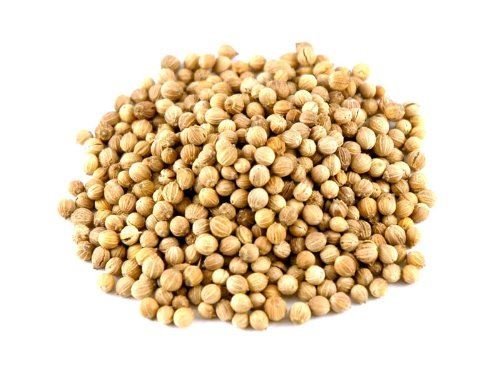
Coriander seeds come from the Coriandrum sativum plant, commonly known as cilantro in its fresh form. These seeds are small, round, and light brown in color with a warm, spicy-sweet flavor and citrusy aroma. They are used widely in cooking and have numerous medicinal properties, making them an essential spice in many cultures. Whether whole or ground, coriander seeds offer several health benefits beyond their culinary uses.
Features of Coriander Seeds:
- Appearance: Coriander seeds are small, round, and light brown or pale yellow in color. When ground, they form a fine powder.
- Aroma: The aroma of coriander seeds is mild, slightly citrusy, and earthy, with a warm and sweet scent.
- Flavor Profile: Coriander seeds have a unique, mildly spicy flavor with hints of citrus and sweetness. The flavor is more pronounced when the seeds are ground, making them an essential part of spice mixes.
- Culinary Use: Coriander seeds are used in a variety of cuisines, including Indian, Middle Eastern, and Latin American cooking. They are commonly used in curries, soups, stews, sauces, and spice blends like garam masala and curry powder.
Health Benefits of Coriander Seeds:
- Rich in Antioxidants:
- Coriander seeds are packed with antioxidants like flavonoids and phenolic compounds, which help reduce oxidative stress. These antioxidants are crucial for protecting cells from damage and may reduce the risk of chronic diseases such as cancer, heart disease, and diabetes.
- Supports Digestive Health:
- Coriander seeds are known for their digestive benefits. They promote the secretion of digestive enzymes, which aid in better digestion and nutrient absorption. They can also relieve bloating, indigestion, and gas, and help prevent constipation.
- Coriander seeds contain linalool, a compound that relaxes the digestive muscles, further easing digestive discomfort.
- Regulates Blood Sugar:
- Coriander seeds have been found to have a hypoglycemic effect, meaning they can help lower blood sugar levels. Regular consumption may improve insulin sensitivity and aid in managing diabetes. The seeds also support the pancreas’ ability to secrete insulin.
- Promotes Heart Health:
- Coriander seeds have beneficial effects on heart health. They can help reduce bad cholesterol (LDL) and triglycerides, while increasing good cholesterol (HDL). This may contribute to a lower risk of cardiovascular disease.
- Anti-Inflammatory Properties:
- Coriander seeds are rich in compounds like linoleic acid and alpha-linolenic acid, which have anti-inflammatory effects. This makes them useful in reducing inflammation in the body and alleviating conditions like arthritis, muscle pain, and other inflammatory disorders.
- Detoxifies the Body:
- Coriander seeds are often used for their detoxifying properties. They help flush out toxins and heavy metals from the body, such as lead and mercury, and support liver function, promoting overall detoxification.
- Improves Skin Health:
- Coriander seeds have antibacterial and antifungal properties, making them useful in treating skin conditions like acne, eczema, and dermatitis. They also help improve skin texture and reduce inflammation and redness.
- Supports Immune System:
- Coriander seeds are a good source of vitamin C and other essential nutrients, which help boost the immune system. Their antimicrobial properties also help protect the body from infections caused by bacteria and fungi.
- Relieves Anxiety and Stress:
- The compounds in coriander seeds, particularly linalool, have calming and sedative effects. These properties help reduce anxiety, stress, and promote better sleep quality.
- Promotes Healthy Vision:
- Coriander seeds are rich in vitamin A and beta-carotene, which are essential for eye health. They may help protect against age-related eye conditions, improve vision, and reduce the risk of cataracts and macular degeneration.
Nutritional Composition of Coriander Seeds (per 100g):
Although coriander seeds are typically consumed in small amounts, here is their nutritional profile for reference:
| Nutrient | Amount per 100g |
|---|---|
| Calories | 298 kcal |
| Protein | 12.4 g |
| Total Fat | 17.8 g |
| – Saturated Fat | 0.5 g |
| – Monounsaturated Fat | 7.3 g |
| – Polyunsaturated Fat | 7.4 g |
| Carbohydrates | 55.3 g |
| – Dietary Fiber | 41 g |
| – Sugars | 0.9 g |
| Calcium | 709 mg (71% DV) |
| Iron | 6.2 mg (34% DV) |
| Magnesium | 330 mg (83% DV) |
| Phosphorus | 220 mg (31% DV) |
| Potassium | 1260 mg (36% DV) |
| Vitamin A | 0 IU |
| Vitamin C | 21 mg (35% DV) |
| Vitamin E | 2.5 mg (12% DV) |
| Vitamin K | 0 µg |
Key Highlights:
- High in Fiber: Coriander seeds are an excellent source of dietary fiber, promoting digestive health and stabilizing blood sugar levels.
- Rich in Essential Nutrients: They provide significant amounts of calcium, iron, magnesium, and potassium, all of which contribute to overall health.
- Packed with Antioxidants: The seeds contain antioxidants that help protect against oxidative damage and inflammation.
How to Use Coriander Seeds:
- In Cooking:
- Whole Seeds: Use whole coriander seeds in curries, stews, soups, and spice blends. Toast them lightly to enhance their flavor before adding to dishes.
- Ground Seeds: Ground coriander seeds are commonly used in garam masala, curry powder, and other spice mixes. They can be added to baked goods, marinades, and salad dressings.
- Pickles and Sauces: Coriander seeds are often added to pickles and chutneys for extra flavor and tang.
- In Beverages:
- Coriander Tea: Boil whole coriander seeds in water and drink the infused liquid as a soothing tea. It can help with digestion and detoxification.
- Smoothies: Add ground coriander seeds to smoothies for added flavor and health benefits.
- For Health Remedies:
- For Digestion: Add coriander powder or seeds to warm water to relieve indigestion, bloating, and gas. It is known for its ability to relax the muscles of the digestive tract.
- For Blood Sugar Control: Drinking coriander seed tea may help manage blood sugar levels in people with diabetes.
- For Skin Health: Apply ground coriander seeds as a paste to treat acne and skin irritations.
- Essential Oil:
- Coriander seed essential oil can be used in aromatherapy or diluted with a carrier oil and applied topically for its calming and antimicrobial properties.