Description
Mustard Seeds: Health Benefits, Features, and Uses
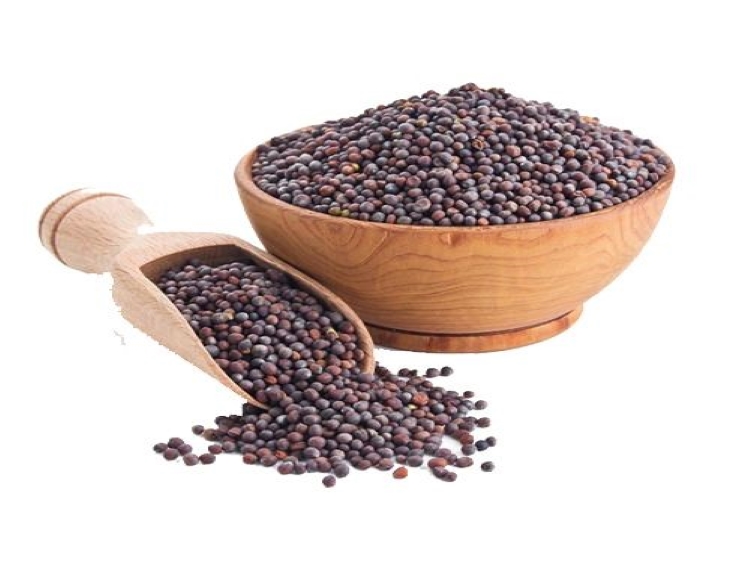
Mustard seeds are small, round seeds derived from various mustard plants, including white/yellow (Sinapis alba), brown (Brassica juncea), and black (Brassica nigra) varieties. These seeds are widely used as a spice in cooking and are known for their sharp, tangy flavor. Beyond culinary uses, mustard seeds offer numerous health benefits and have been used in traditional medicine for centuries.
Features of Mustard Seeds:
- Appearance: Small, round seeds ranging in color from yellow/white to dark brown and black.
- Flavor: White/yellow seeds are milder, while brown and black seeds are more pungent and spicy.
- Versatility: Can be used whole, ground into powder, or made into mustard paste.
- Aroma: Releases a pungent and nutty smell when crushed or cooked.
Health Benefits of Mustard Seeds:
- Rich in Nutrients:
- Packed with vitamins (A, C, K, E) and minerals like calcium, magnesium, and phosphorus.
- Anti-Inflammatory Properties:
- Compounds like selenium and omega-3 fatty acids in mustard seeds help reduce inflammation and alleviate joint pain and muscle soreness.
- Supports Heart Health:
- Mustard seeds contain nutrients that help lower cholesterol levels, improve blood circulation, and support cardiovascular health.
- Improves Digestion:
- Mustard seeds stimulate the secretion of digestive enzymes, aiding in digestion and preventing bloating and gas.
- Boosts Metabolism:
- Helps speed up the metabolic rate, which can contribute to weight management.
- Antioxidant Protection:
- High in antioxidants, mustard seeds help combat oxidative stress, reduce the risk of chronic diseases, and promote healthy aging.
- Supports Respiratory Health:
- Mustard seeds act as a natural decongestant, relieving symptoms of cold, cough, and sinus congestion.
- Promotes Skin and Hair Health:
- The antimicrobial and anti-inflammatory properties make mustard seeds beneficial for treating acne and promoting hair growth.
- Regulates Blood Sugar:
- Compounds in mustard seeds can help control blood sugar levels, making them beneficial for people with or at risk of diabetes.
- May Prevent Cancer:
- Contain glucosinolates and isothiocyanates, which have shown potential in inhibiting the growth of cancer cells in studies.
Nutritional Composition of Mustard Seeds (per 100g):
| Nutrient | Amount |
|---|---|
| Calories | 508 kcal |
| Protein | 26.1 g |
| Fat | 36.2 g |
| – Saturated Fat | 1.9 g |
| Carbohydrates | 28.1 g |
| – Dietary Fiber | 12.2 g |
| Calcium | 266 mg (27% DV) |
| Iron | 9.2 mg (51% DV) |
| Magnesium | 370 mg (93% DV) |
| Phosphorus | 828 mg (118% DV) |
| Potassium | 738 mg (21% DV) |
| Vitamin C | 7.1 mg (12% DV) |
| Vitamin B6 | 0.4 mg (20% DV) |
| Selenium | 208 µg (378% DV) |
| Omega-3 Fatty Acids | 1130 mg |
How to Use Mustard Seeds:
- In Cooking:
- Tempering: Whole mustard seeds are commonly tempered in oil to enhance the flavor of curries, stews, and dals.
- Pickles: Widely used in pickling to add flavor and preservation properties.
- Spice Mixes: Ground mustard seeds are included in spice blends like garam masala and curry powder.
- Marinades: Adds depth of flavor to meat and fish marinades.
- In Traditional Remedies:
- Poultice: Crushed mustard seeds are applied as a poultice to relieve muscle pain and inflammation.
- Sinus Relief: Mustard seed oil can be used to clear sinuses and relieve congestion.
- In Skincare:
- Mustard seeds or oil are used in masks to detoxify the skin and improve complexion.
- As a Supplement:
- Taken in powdered form or capsules for therapeutic purposes.
Tips for Using Mustard Seeds:
- Heat Activation: Mustard seeds release their full flavor and pungency when heated or crushed.
- Combine with Vinegar: Vinegar enhances the sharpness of mustard’s flavor, making it ideal for sauces and dressings.
- Add with Care: Mustard seeds can overpower a dish if used in excess.
Precautions:
- Excessive consumption may cause irritation to the stomach lining.
- People allergic to mustard or its components should avoid its use.
- Consult a doctor if using mustard seeds therapeutically during pregnancy or while on medication.