Description
Fenugreek Seeds: Health Benefits, Features, and Uses
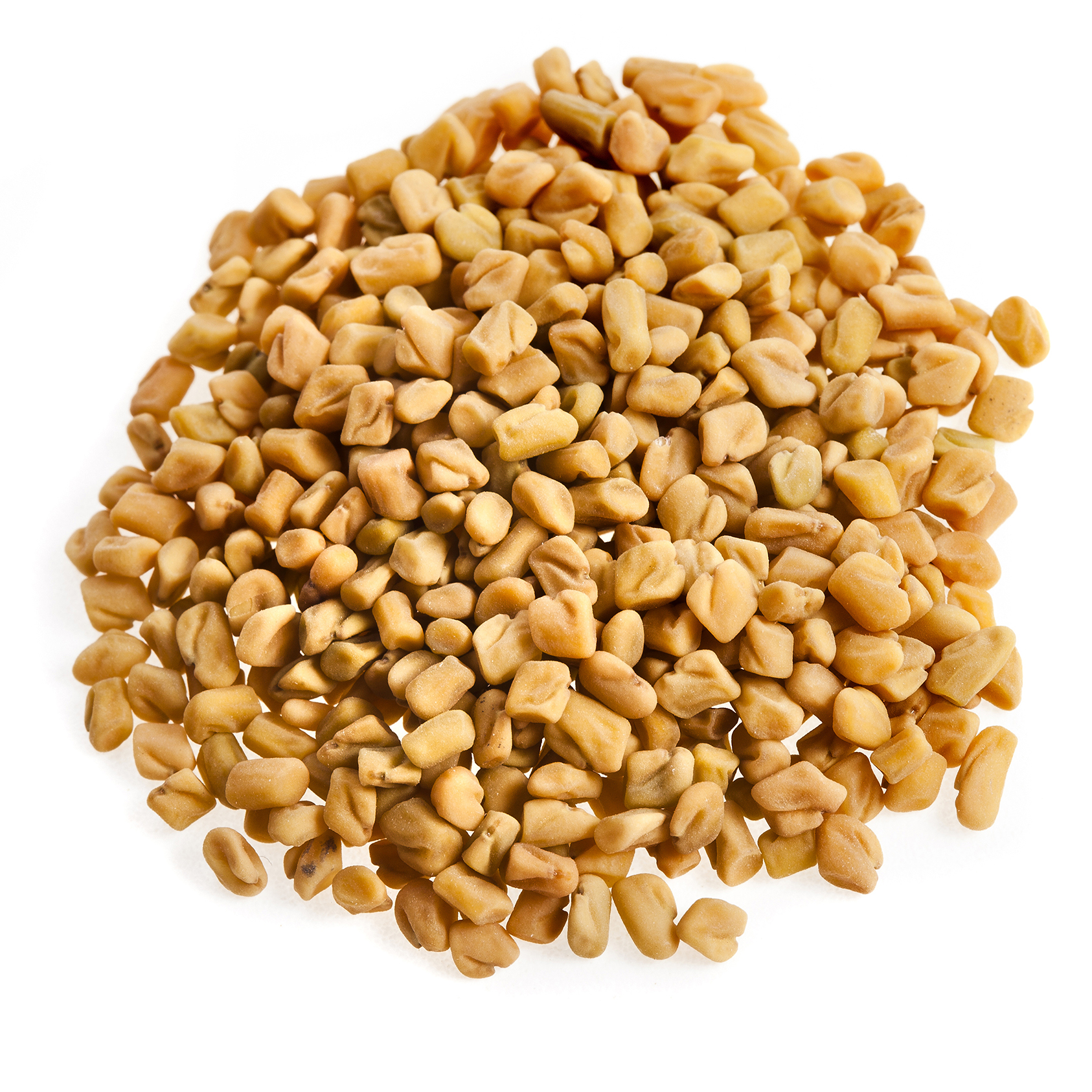
Fenugreek seeds (Trigonella foenum-graecum) are small, yellow-brown seeds of the fenugreek plant, a member of the Fabaceae family. Native to the Mediterranean region, fenugreek has been used in cooking and traditional medicine for centuries. Known for their distinctive slightly bitter taste and aroma, fenugreek seeds are a key ingredient in Indian, Middle Eastern, and Mediterranean cuisines and are valued for their numerous health benefits.
Features of Fenugreek Seeds:
- Appearance: Fenugreek seeds are small, angular, and golden-brown in color. They have a bitter taste and a strong aroma that can be pungent when raw but mellows out when cooked.
- Aroma: The seeds have a pungent, slightly maple-syrup-like aroma when roasted or ground.
- Flavor Profile: The flavor of fenugreek seeds is bitter and nutty with earthy undertones. Roasting or toasting the seeds enhances their flavor, reducing their bitterness.
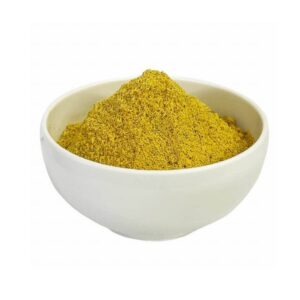
- Culinary Use: Fenugreek seeds are used in spice blends (such as panch phoran and curry powder), soups, stews, pickles, and marinades. They can also be soaked and added to curries, sauces, and vegetable dishes. Ground fenugreek is used in baking and seasoning.
Health Benefits of Fenugreek Seeds:
- Rich in Nutrients:
- Fenugreek seeds are an excellent source of vitamins (such as vitamin A, C, and B6), minerals (including iron, magnesium, and potassium), and fiber, which support various bodily functions and contribute to overall health.
- Improves Digestion:
- Fenugreek seeds are highly beneficial for digestive health. They stimulate the production of digestive enzymes, which helps break down food more efficiently and ease symptoms of indigestion, bloating, and constipation. Fenugreek’s high fiber content helps promote regular bowel movements.
- Supports Blood Sugar Control:
- Fenugreek seeds may help manage blood sugar levels. They contain soluble fiber (mainly in the form of galactomannan), which helps slow down the absorption of sugars in the digestive tract, reducing post-meal blood sugar spikes. Fenugreek may be beneficial for people with type 2 diabetes.
- Boosts Milk Production in Nursing Mothers:
- Fenugreek seeds have been traditionally used to increase breast milk production in lactating women. They contain phytoestrogens, which may help promote milk production. Fenugreek is often used in herbal teas or supplements for breastfeeding mothers.
- Improves Cholesterol Levels:
- Fenugreek seeds have been shown to help reduce bad cholesterol (LDL) and triglyceride levels while increasing good cholesterol (HDL). This may contribute to overall heart health and lower the risk of cardiovascular diseases.
- Helps with Weight Loss:
- Fenugreek seeds may assist in weight management by suppressing appetite and promoting feelings of fullness. The soluble fiber in fenugreek helps curb hunger, reducing overall calorie intake.
- Anti-Inflammatory and Antioxidant Properties:
- Fenugreek seeds are rich in antioxidants such as flavonoids, polyphenols, and alkaloids, which help fight oxidative stress in the body and reduce inflammation. These properties may help protect against conditions like arthritis and support general wellness.
- Promotes Healthy Skin:
- Fenugreek seeds are used in traditional skincare remedies due to their ability to treat acne, eczema, and skin irritation. They have antimicrobial and anti-inflammatory properties that soothe the skin and promote a healthy complexion. Fenugreek may also help reduce scars and blemishes.
- Regulates Hormonal Balance:
- Fenugreek seeds contain compounds that mimic the action of estrogen, which may help regulate hormonal balance in women. This can be beneficial for conditions like menstrual cramps, premenstrual syndrome (PMS), and menopause symptoms.
- Enhances Hair Growth:
- Fenugreek seeds have been traditionally used to stimulate hair growth. They contain proteins and nicotinic acid, which can help prevent hair loss and promote the growth of thicker, healthier hair. Fenugreek is often used in hair oils or masks to improve scalp health and reduce dandruff.
Nutritional Composition of Fenugreek Seeds (per 100g):
| Nutrient | Amount per 100g |
|---|---|
| Calories | 323 kcal |
| Protein | 23.0 g |
| Total Fat | 6.4 g |
| – Saturated Fat | 1.0 g |
| – Monounsaturated Fat | 1.2 g |
| – Polyunsaturated Fat | 3.3 g |
| Carbohydrates | 58.4 g |
| – Dietary Fiber | 24.6 g |
| – Sugars | 0.0 g |
| Calcium | 176 mg (18% DV) |
| Iron | 33.5 mg (186% DV) |
| Magnesium | 191 mg (48% DV) |
| Phosphorus | 296 mg (42% DV) |
| Potassium | 770 mg (22% DV) |
| Vitamin C | 3.0 mg (5% DV) |
| Vitamin A | 0 IU |
| Folate | 57 µg (14% DV) |
Key Highlights:
- High in Protein: Fenugreek seeds are an excellent plant-based source of protein, supporting muscle health and tissue repair.
- Rich in Fiber: Fenugreek seeds are high in dietary fiber, which aids in digestion and helps control blood sugar levels.
- Packed with Iron and Magnesium: Fenugreek seeds are a good source of iron, which helps prevent anemia, and magnesium, which supports muscle and nerve function.
How to Use Fenugreek Seeds:
- In Cooking:
- Whole Seeds: Fenugreek seeds are often used in spice blends, such as panch phoran and garam masala. They can be toasted to enhance their flavor and added to curries, stews, rice dishes, and pickles.
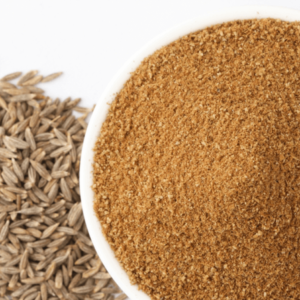
- Ground Seeds: Ground fenugreek is commonly used in sauces, soups, and baked goods like flatbreads and muffins.
- Sprouted Fenugreek: Fenugreek seeds can be sprouted and added to salads, sandwiches, and other dishes for a nutrient boost.
- In Herbal Remedies:
- Fenugreek Tea: To make fenugreek tea, soak 1-2 teaspoons of fenugreek seeds in hot water for 10-15 minutes. The tea is known to promote digestion and reduce inflammation.
- Fenugreek Powder: Ground fenugreek powder can be mixed with water or honey and consumed for weight loss, blood sugar control, or to soothe digestive issues.
- For Breast Milk Production:
- Fenugreek is often taken in supplement form or as fenugreek tea by breastfeeding mothers to help increase milk production. However, it is recommended to consult a healthcare professional before using fenugreek for this purpose.
- In Skincare:
- Fenugreek Paste: Fenugreek powder or soaked seeds can be made into a paste and applied to the skin to treat acne and skin irritations. The antimicrobial properties of fenugreek help clear up blemishes and soothe inflammation.
- Fenugreek Oil: Fenugreek oil can be used in hair care products to improve scalp health and stimulate hair growth.