Description
Health Benefits of White Pepper
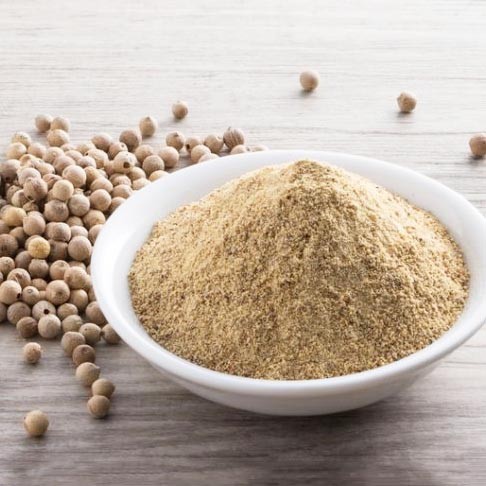
White pepper, derived from the dried fruit of the Piper nigrum plant, is a milder version of black pepper. It is commonly used in cooking to add a subtle heat and flavor to dishes, especially in light-colored foods. While it is often overshadowed by black pepper, white pepper offers several unique health benefits. Here’s a look at its potential health advantages:
- Rich in Antioxidants:
- White pepper contains antioxidants such as piperine, which help neutralize free radicals in the body. This can reduce oxidative stress, lower inflammation, and protect cells from damage, potentially reducing the risk of chronic diseases like cancer and heart disease.
- Supports Digestion:
- Like black pepper, white pepper stimulates the production of digestive enzymes in the stomach, improving overall digestion. It can help relieve symptoms of indigestion, bloating, and gas. White pepper may also improve nutrient absorption from food.
- Promotes Weight Loss:
- White pepper contains piperine, a compound that has been shown to boost metabolism and increase fat-burning. It can help reduce the formation of new fat cells, supporting weight loss efforts when combined with a healthy diet and exercise.
- Improves Respiratory Health:
- White pepper is traditionally used to treat respiratory issues. It may help clear mucus from the airways, relieve congestion, and reduce symptoms of a cold or cough. It can also help soothe sore throats and promote easier breathing.
- Anti-inflammatory Effects:
- The piperine in white pepper has potent anti-inflammatory properties, which can help reduce inflammation in the body. This may benefit individuals with inflammatory conditions such as arthritis, muscle pain, and other inflammatory diseases.
- Supports Brain Health:
- White pepper may enhance cognitive function by improving memory and concentration. Piperine has been shown to have neuroprotective effects, which may reduce the risk of neurodegenerative diseases like Alzheimer’s and Parkinson’s.
- Improves Circulation:
- White pepper has been shown to improve blood circulation, which can help lower blood pressure and enhance oxygen and nutrient delivery to tissues. Good circulation supports overall health and can improve energy levels.
- Boosts Immunity:
- The antibacterial and antimicrobial properties of white pepper help fight infections, boost immune function, and protect the body against harmful pathogens. Regular consumption may enhance the body’s defense mechanisms.
- Improves Skin Health:
- The antioxidants in white pepper, along with its anti-inflammatory properties, can help promote healthy skin by fighting oxidative stress and preventing premature aging. It may also reduce the appearance of blemishes and support overall skin health.
- Relieves Pain:
- White pepper may help relieve pain due to its anti-inflammatory effects. It is sometimes used in natural remedies for conditions like muscle aches, joint pain, and headaches.
Nutritional Composition of White Pepper (per 100g)
While white pepper is generally consumed in small amounts, it still provides a significant amount of nutrients. Here’s a breakdown of its nutritional composition:
| Nutrient | Amount per 100g |
|---|---|
| Calories | 255 kcal |
| Protein | 10 g |
| Total Fat | 3.3 g |
| – Saturated Fat | 0.9 g |
| – Monounsaturated Fat | 1.3 g |
| – Polyunsaturated Fat | 0.8 g |
| Carbohydrates | 64.5 g |
| – Dietary Fiber | 25 g |
| – Sugars | 0 g |
| Calcium | 437 mg (44% DV) |
| Iron | 9.7 mg (54% DV) |
| Magnesium | 134 mg (34% DV) |
| Phosphorus | 142 mg (20% DV) |
| Potassium | 1,102 mg (31% DV) |
| Zinc | 1.4 mg (13% DV) |
| Vitamin A | 94 IU |
| Vitamin C | 21 mg (35% DV) |
| Vitamin K | 163 µg (136% DV) |
| Vitamin B6 | 0.3 mg (20% DV) |
Key Highlights:
- High in Fiber: White pepper is a good source of dietary fiber, which supports healthy digestion and may help prevent constipation.
- Rich in Minerals: It provides essential minerals like calcium, magnesium, and potassium, all of which are vital for bone health, muscle function, and overall body function.
- Packed with Antioxidants: The antioxidants in white pepper can help reduce inflammation, protect against cell damage, and promote better health.
- Low in Calories: White pepper is a low-calorie spice, making it a healthy addition to dishes without significantly impacting calorie intake.
How to Use White Pepper:
- In Cooking: White pepper is often used in dishes where the appearance of black pepper is undesirable, such as in white sauces, mashed potatoes, and soups. It adds a mild heat without the black specks.
- In Beverages: You can add a pinch of white pepper to tea (especially ginger or lemon tea) for an extra kick and health benefits.
- Sprinkle on Foods: White pepper can be sprinkled over salads, eggs, or roasted vegetables for flavor enhancement.
- In Health Remedies: In traditional medicine, white pepper is sometimes used in combination with other spices to promote digestion and relieve symptoms of cold or cough.
White pepper is not only a versatile seasoning but also offers numerous health benefits, from improving digestion and metabolism to promoting respiratory and skin health. It is a great addition to your diet, whether in cooking or as a natural remedy for various ailments.