Description
Health Benefits of Sesame Seeds
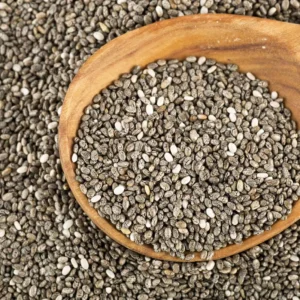
Sesame seeds are tiny, nutrient-dense seeds that come from the Sesamum indicum plant. Known for their rich, nutty flavor, they are commonly used in cooking, baking, and as a garnish. They offer numerous health benefits due to their high nutritional value. Here are some of the key health benefits of sesame seeds:
- Rich in Healthy Fats:
- Sesame seeds are an excellent source of healthy fats, particularly unsaturated fats. These fats, including omega-6 fatty acids, help improve cholesterol levels, reduce inflammation, and support heart health.
- Supports Bone Health:
- Sesame seeds are rich in calcium, magnesium, and phosphorus, essential minerals for maintaining strong bones and teeth. Regular consumption may help prevent bone-related issues like osteoporosis.
- Promotes Heart Health:
- The healthy fats, fiber, and antioxidants in sesame seeds help lower blood pressure, reduce bad cholesterol (LDL), and prevent plaque buildup in arteries, thus supporting overall cardiovascular health.
- High in Antioxidants:
- Sesame seeds contain powerful antioxidants like sesamin, sesamol, and lignans. These compounds help protect the body from oxidative stress and reduce the risk of chronic diseases such as cancer and heart disease.
- Supports Skin Health:
- The antioxidants and vitamin E content in sesame seeds help protect the skin from free radical damage and premature aging. They also aid in wound healing and reduce inflammation in the skin.
- Helps Regulate Blood Sugar Levels:
- Sesame seeds are a good source of fiber and healthy fats, both of which help regulate blood sugar levels by slowing down the absorption of glucose. This can be beneficial for people with diabetes or those trying to manage blood sugar levels.
- Improves Digestion:
- The high fiber content in sesame seeds promotes healthy digestion by improving bowel movement and preventing constipation. It also supports the growth of healthy gut bacteria.
- Boosts Immune System:
- Sesame seeds are rich in zinc, which plays a crucial role in boosting immune function and defending the body against infections and illnesses.
- Supports Weight Management:
- Due to their high fiber and healthy fat content, sesame seeds can help reduce hunger and promote a feeling of fullness, aiding in weight management and appetite control.
- Helps with Hair Health:
- Sesame seeds are rich in essential fatty acids and vitamin E, which help nourish the scalp and hair follicles, promoting healthy, shiny hair and preventing hair loss.
Nutritional Composition of Sesame Seeds (per 100g)
Sesame seeds are a highly nutritious food that provides an array of essential nutrients. Here’s a breakdown of their nutritional content:
| Nutrient | Amount per 100g |
|---|---|
| Calories | 573 kcal |
| Protein | 17 g |
| Total Fat | 49.7 g |
| – Saturated Fat | 7.6 g |
| – Monounsaturated Fat | 18.6 g |
| – Polyunsaturated Fat | 21.8 g |
| Carbohydrates | 23.5 g |
| – Dietary Fiber | 11.8 g |
| – Sugars | 0.3 g |
| Calcium | 975 mg (98% DV) |
| Iron | 14.6 mg (81% DV) |
| Magnesium | 351 mg (88% DV) |
| Phosphorus | 629 mg (90% DV) |
| Potassium | 468 mg (13% DV) |
| Zinc | 7.8 mg (71% DV) |
| Vitamin B1 (Thiamine) | 0.8 mg (69% DV) |
| Vitamin B2 (Riboflavin) | 0.2 mg (15% DV) |
| Vitamin E | 0.6 mg (3% DV) |
| Folate | 97 µg (24% DV) |
Key Highlights:
- High in Calcium: Sesame seeds are one of the best plant-based sources of calcium, crucial for bone health.
- Packed with Healthy Fats: The high monounsaturated and polyunsaturated fat content supports heart health and reduces inflammation.
- Good Source of Protein: Contains plant-based protein, making sesame seeds a great addition to vegetarian and vegan diets.
- Rich in Fiber: Helps with digestion, weight management, and blood sugar control.
- Antioxidants: Protects cells from oxidative damage, potentially reducing the risk of chronic diseases.
How to Use Sesame Seeds:
- As a Snack: Eat them raw, toasted, or mixed with other seeds as a healthy snack.
- In Cooking: Add sesame seeds to salads, stir-fries, or sprinkle them on top of dishes like rice, vegetables, or soups for extra crunch and flavor.
- Sesame Oil: Use sesame oil in salad dressings, marinades, or cooking. It’s ideal for low-heat cooking to preserve its health benefits.
- Tahini: Sesame seeds are the main ingredient in tahini, a paste used in dishes like hummus and as a spread.
- Baking: Add sesame seeds to baked goods such as bread, muffins, or granola bars for extra flavor and nutrients.
Sesame seeds are not only a versatile ingredient in cooking but also a powerhouse of nutrients. Including them in your diet can contribute to better heart health, digestion, skin health, and overall well-being.