Description
Cumin Seeds: Health Benefits, Features, and Uses
Cumin seeds (Cuminum cyminum) are small, oblong, and ridged seeds from the cumin plant, which belongs to the parsley family. Native to the Mediterranean region, cumin is widely used in global cuisines, particularly in Indian, Middle Eastern, Mexican, and Mediterranean dishes. Cumin seeds offer more than just flavor; they are packed with numerous health benefits that have been appreciated for centuries.
Features of Cumin Seeds:
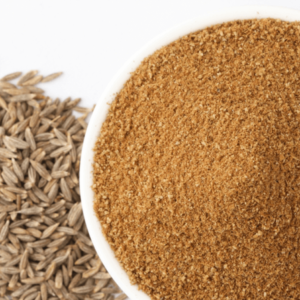
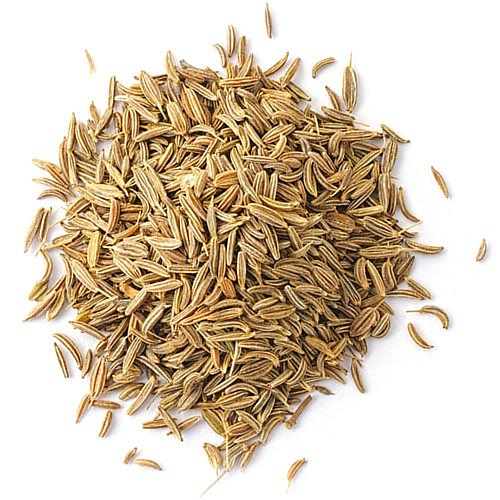
- Appearance: Cumin seeds are small, oblong, and have a distinct ridged surface. They are typically light brown or yellowish-brown in color and have a slight curve.
- Aroma: When crushed or ground, cumin seeds release a warm, earthy, slightly nutty aroma with hints of citrus.
- Flavor Profile: The flavor of cumin seeds is warm, nutty, earthy, and slightly bitter with a smoky undertone. It’s more intense when toasted and ground.
- Culinary Use: Cumin seeds are a vital ingredient in spice blends like garam masala, curry powder, chili powder, and taco seasoning. They are used in soups, stews, curries, rice dishes, sauces, and meat preparations.
Health Benefits of Cumin Seeds:
- Rich in Antioxidants:
- Cumin seeds are packed with powerful antioxidants, such as flavonoids, terpenoids, and phenolic compounds, that help fight oxidative stress and protect cells from free radical damage. This helps reduce the risk of chronic diseases like cancer, heart disease, and diabetes.
- Aids in Digestion:
- Cumin seeds are well-known for their digestive benefits. They stimulate the production of digestive enzymes, which help improve digestion and nutrient absorption. Cumin also relieves bloating, gas, and indigestion, and it may promote regular bowel movements.
- Regulates Blood Sugar Levels:
- Cumin seeds have been shown to help regulate blood sugar levels by improving insulin sensitivity. Regular consumption may help manage diabetes and prevent spikes in blood glucose, making cumin a helpful addition to a diabetic diet.
- Promotes Weight Loss:
- Cumin seeds can aid in weight loss by increasing metabolic rate and promoting fat burning. They may also suppress appetite, helping to prevent overeating, making them useful in weight management.
- Supports Immune Health:
- Cumin seeds are rich in vitamin C, vitamin A, and iron, all of which are essential for maintaining a healthy immune system. Cumin’s antimicrobial properties also help protect the body against infections caused by harmful bacteria and fungi.
- Anti-Inflammatory Properties:
- Cumin seeds contain compounds like cumin aldehyde, which exhibit anti-inflammatory effects. This makes cumin helpful in reducing inflammation associated with conditions like arthritis, muscle pain, and other inflammatory disorders.
- Detoxifies the Body:
- Cumin seeds help the body detoxify by promoting liver function and aiding in the removal of toxins and heavy metals. Cumin’s detoxifying properties support overall wellness by cleansing the system and improving circulation.
- Improves Skin Health:
- The antibacterial and anti-inflammatory properties of cumin seeds make them effective in treating skin conditions like acne, eczema, and rashes. They also help protect the skin from oxidative damage, promoting healthy and youthful skin.
- Promotes Healthy Brain Function:
- Cumin seeds contain compounds that support brain health, potentially improving memory and concentration. The antioxidants in cumin help protect the brain from oxidative stress, which is linked to neurodegenerative diseases such as Alzheimer’s.
- Relieves Respiratory Problems:
- Cumin seeds are used in traditional medicine to treat respiratory issues such as cough, asthma, and bronchitis. They can help clear up congestion, soothe the throat, and improve lung health.
Nutritional Composition of Cumin Seeds (per 100g):
Here’s a breakdown of the nutritional value of cumin seeds:
| Nutrient | Amount per 100g |
|---|---|
| Calories | 375 kcal |
| Protein | 17.8 g |
| Total Fat | 22.3 g |
| – Saturated Fat | 2.3 g |
| – Monounsaturated Fat | 10.9 g |
| – Polyunsaturated Fat | 3.6 g |
| Carbohydrates | 44.2 g |
| – Dietary Fiber | 10.5 g |
| – Sugars | 2.3 g |
| Calcium | 931 mg (93% DV) |
| Iron | 66.4 mg (368% DV) |
| Magnesium | 366 mg (92% DV) |
| Phosphorus | 499 mg (71% DV) |
| Potassium | 1,030 mg (29% DV) |
| Vitamin A | 0 IU |
| Vitamin C | 7.7 mg (13% DV) |
| Vitamin E | 3.0 mg (15% DV) |
| Vitamin K | 5.4 µg (7% DV) |
Key Highlights:
- High in Iron: Cumin seeds are a rich source of iron, which is crucial for producing red blood cells and preventing anemia.
- Rich in Fiber: Cumin seeds are high in dietary fiber, supporting digestion and regulating blood sugar levels.
- Packed with Antioxidants: The antioxidants in cumin help protect the body from cellular damage and chronic diseases.
How to Use Cumin Seeds:
- In Cooking:
- Whole Seeds: Cumin seeds can be added whole to dishes like curries, rice, and stews. Toasting them in a dry pan brings out their full flavor.
- Ground Seeds: Ground cumin is commonly used in spice blends like garam masala, curry powder, chili powder, and taco seasoning. It’s perfect for adding flavor to sauces, soups, and marinades.
- In Bread and Pastries: Ground cumin is often used in naan bread, pita bread, or savory baked goods.
- In Beverages:
- Cumin Tea: Make a soothing cumin tea by boiling cumin seeds in water. Drink it to relieve indigestion, bloating, and promote digestion.
- Smoothies: Add a pinch of cumin seeds or ground cumin to smoothies for an extra dose of flavor and health benefits.
- For Health Remedies:
- For Digestion: Drink a warm cumin tea or chew on a few cumin seeds after meals to aid digestion and prevent bloating.
- For Weight Loss: Adding cumin seeds to your diet can help with weight management by boosting metabolism and reducing appetite.
- For Skin Health: A paste made from cumin seeds can be applied to the skin to treat acne, eczema, and other skin irritations.
- Essential Oil:
- Cumin Seed Oil: Cumin seed essential oil can be used in aromatherapy or diluted and applied topically for its antimicrobial and anti-inflammatory effects.